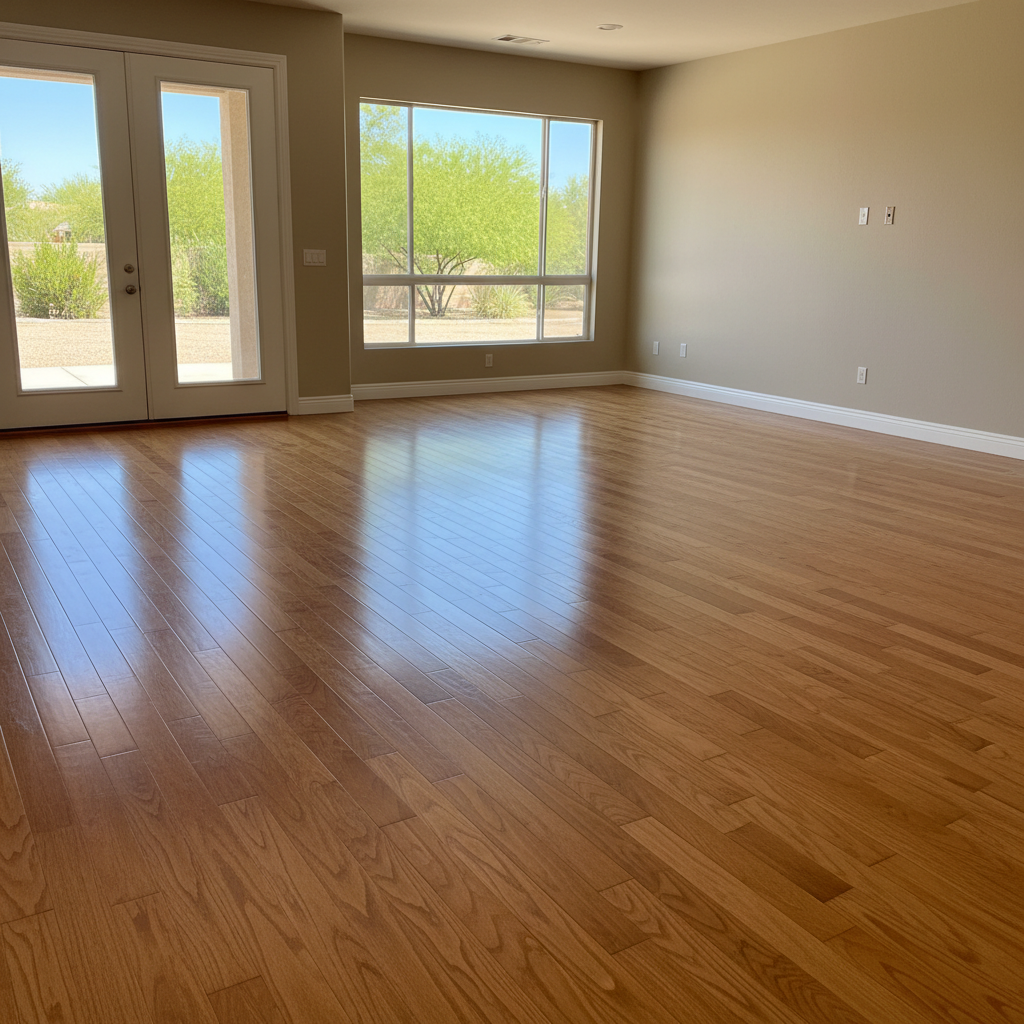
Water damage to hardwood floors often happens suddenly, such as when a supply line leaks in the kitchen and causes the wooden planks to cup or crown. When water hits wood flooring, homeowners experience a lot of stress, and that is when bad hiring decisions happen. Queen Creek Water Damage Restoration sees local homeowners rush to bring in the first contractor who picks up the phone, only to find out weeks later that the job was botched and their floors are still rotting from underneath.
Living out here in Queen Creek, AZ means dealing with a dry desert climate that plays tricks on how materials dry out. People often assume that because it is hot outside, wet wood will just take care of itself in a day or two. That misconception leads straight to warped boards, mold growth, and thousands of dollars in avoidable replacement costs.
Assuming Surface Drying is Enough
One of the biggest blunders homeowners make is hiring a crew that only cares about what they can see on top. They show up with a few standard box fans, blow them across the surface of the floor, and call it a day once the room looks dry.
Real Hardwood Water Damage Restoration requires checking and drying the subfloor beneath those planks. If you live in newer master-planned communities around Queen Creek where concrete slabs retain moisture, water gets trapped between the wood and the slab. Without specialized mat systems and injection drying equipment, the moisture stays trapped, and your floors will eventually fail completely.
Skipping Moisture Mapping Documentation
Another major red flag is a contractor who refuses to take or share daily moisture readings. If someone walks into your house, touches the floor with their bare hand, and says the floor looks good, show them the door.
Queen Creek Water Damage Restoration relies on digital pinless meters and thermal imaging to map out exactly where the moisture travels behind baseboards and under floorboards. Without proper documentation, your insurance company might deny your claim, leaving you holding the bill for a total floor tear-out.
Hiring Handymen Instead of Certified Specialists
It is tempting to call a general handyman to save a few bucks on labor when your floors are damaged. Wood floor restoration is a science, not a casual DIY weekend project. If a contractor is not certified in applied structural drying, they do not know how to balance indoor humidity levels with industrial dehumidifiers. If you dry wood too fast in our arid local environment, the boards will split and crack just as badly as if they stayed wet.
Take your time, vet your contractors carefully, and make sure whoever you hire understands the specific challenges of our local desert climate before they touch a single board in your home.